The Future of Medical Diagnostics: Trends in Online Pathology Software
The landscape of medical diagnostics is experiencing a seismic shift with the advent of online pathology software. These digital platforms are not only revolutionizing the way pathologists analyze and interpret medical images but are also expanding access to pathology services and enhancing the precision of diagnostics. The integration of Artificial Intelligence (AI), digitization of pathology workflows, and the emergence of comprehensive online platforms are paving the way for a future where pathology is predictive, personalized, and precise. However, the adoption of such technologies comes with its own set of challenges and considerations. This article explores the trends and implications of these advancements in the field of medical diagnostics.
Key Takeaways
AI integration in pathology is enhancing diagnostic accuracy and enabling predictive modeling for disease prognosis.
Digitization is expanding access to pathology services, particularly in underserved areas, and improving patient care.
Comprehensive online pathology platforms are incorporating multi-omics and non-invasive approaches for better patient management.
The future of pathology lies in precision medicine, with advanced software facilitating personalized treatment strategies.
Adoption of online pathology software must carefully address data privacy, quality control, and ethical considerations.
Revolutionizing Pathology with AI Integration

Enhancing Diagnostic Accuracy with AI Algorithms
The integration of AI algorithms into medical diagnostics is a game-changer, offering the potential to significantly enhance diagnostic accuracy. AI-generated diagnoses are increasingly aligning with established medical standards, ensuring that patients receive reliable information about their health.
To further improve the performance of diagnostic AI, it's essential to address the challenges of data diversity and quality. A focus on training AI models with comprehensive datasets that include a variety of cases can lead to more accurate diagnostics.
Moreover, the issue of inter-observer variability is a significant challenge in pathology. AI applications are being rigorously compared with pathologists to measure their accuracy and speed, aiming to reduce this variability.
The future of AI in medical diagnostics is promising, with research directed towards multimodal AI models that combine textual analysis with direct image analysis for a more comprehensive approach. This could lead to more precise diagnostics and better patient outcomes.
AI-Assisted Predictive Modeling for Disease Prognosis
The integration of AI into medical diagnostics is not just about identifying diseases; it's about predicting outcomes and tailoring treatment plans. AI-assisted predictive modeling is a game-changer for disease prognosis, offering insights that can inform both patients and healthcare providers about the likely progression of a condition. This predictive power is particularly valuable in the realm of precision medicine, where treatment can be customized to the individual's unique genetic makeup and disease characteristics.
AI's role in healthcare decision-making is expanding, with its ability to deliver critical data for diagnosing, treatment planning, and health management. As AI models become more sophisticated, they may even autonomously perform certain tasks, further revolutionizing the field of pathology. However, the success of these models hinges on their training with diverse and high-quality datasets. Future research is directed towards enhancing data diversity and quality, which is crucial for improving the accuracy and reliability of AI diagnostics.
The Role of AI in Next-Generation Diagnostic Pathology
The integration of AI into pathology is not just a trend; it's a paradigm shift that is setting the stage for what is known as next-generation diagnostic pathology (NGDP). NGDP represents a fusion of traditional histomorphology with cutting-edge molecular detection, bioinformatics, and intelligent diagnosis. This comprehensive approach is revolutionizing precision diagnosis and treatment.
The expectation for AI applications in pathology is high, with predictions that they will not only match but surpass human pathologists in accuracy and speed. The challenge lies in achieving this while maintaining cost-effectiveness and navigating the complexities of limited data access and inter-observer variability.
The transformative impact of AI on pathology can be seen in the following areas:
Enhanced workflow efficiency through the use of AI tools and natural language processing (NLP).
Predictive modeling capabilities that improve diagnostic precision and consistency.
Computer-aided image analysis that offers superior detail and consistency over manual evaluation.
As we look to the future, the digitization of nearly all pathology cases is anticipated, with AI playing a multifaceted role in pre-screening, real-time support during consultations, and post-sign-out quality control. This integration is a testament to the ongoing evolution of healthcare workflows, aiming to enhance diagnostic precision, efficiency, and accessibility.
Expanding Access to Pathology Services Through Digitization
Remote Pathology Reviews and Their Impact
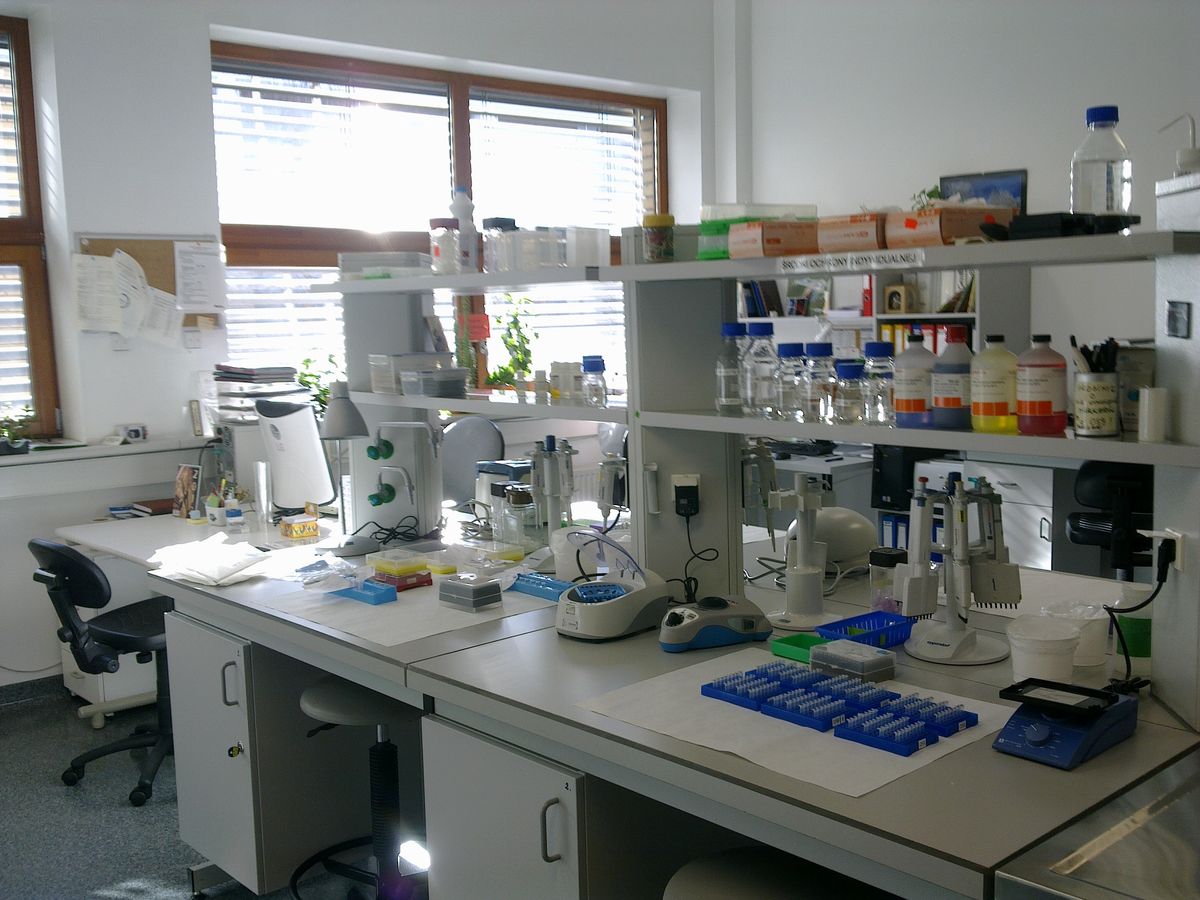
The advent of remote pathology reviews has been a game-changer in the field of medical diagnostics. Pathologists can now examine digitized images from anywhere, enhancing the reach of pathology services to remote and underserved areas. This shift not only improves accessibility but also paves the way for more collaborative diagnoses, where specialists from various locations can contribute their expertise.
Accessibility to expert pathology services in remote areas
Collaborative efforts among specialists from different regions
Expedited diagnosis and treatment planning
The integration of remote reviews into pathology practice has also led to significant advancements in AI-assisted diagnostics. Digitized images serve as a valuable resource for training AI algorithms, which in turn support pathologists in making more accurate and efficient diagnoses. As a result, patients receive faster and more precise medical attention, ultimately leading to improved healthcare outcomes.
Digitization of Pathology Cases for Comprehensive Analysis
The digitization of pathology cases marks a significant leap forward in the field of medical diagnostics. Deep Bio's vision of digitizing nearly all pathology cases reflects the growing trend of integrating technology into healthcare. Digitized images serve multiple purposes, from pre-screen analyses to post-sign-out quality control, ensuring that each case undergoes a thorough review process. This not only enhances diagnostic precision but also improves efficiency and accessibility, particularly in cancer pathology.
The transition to digital pathology (DP) has revolutionized the traditional practice of analyzing tissue samples. With whole-slide imaging (WSI), high-resolution scanners convert slides of cells or tissues into digital files, paving the way for advanced analysis. This process has been instrumental in fostering the development of AI-assisted pathology, where algorithms trained on digitized images aid pathologists in making more accurate and consistent diagnoses.
The integration of digital image analysis with AI is a current advancement that promises to further refine the precision and consistency of clinical pathology. Predictive modeling, powered by machine learning, is set to transform diagnosis and disease prognosis, ushering in a new era of next-generation diagnostic pathology.
Improving Patient Care in Underserved Areas
The integration of online pathology software is a game-changer for underserved regions, where access to specialized medical services is often limited. By leveraging digital platforms, patients in remote or economically disadvantaged areas can receive the same level of diagnostic expertise as those in well-resourced settings.
Accessibility is pivotal for reducing healthcare disparities. AI's potential to provide standardized, high-quality diagnostic support is crucial for equitable healthcare delivery. This ensures that all patients, irrespective of location or socioeconomic status, receive accurate and timely diagnoses.
Challenges such as delayed disease recognition and treatment are prevalent in areas with difficult access to healthcare services. Online pathology software can help mitigate these issues by offering:
Timely and accurate diagnostic reports
Remote monitoring and follow-up care
Educational resources for patients and healthcare providers
By pushing the boundaries of medical diagnostics with AI, we can enhance global health outcomes and ensure that every individual has the opportunity to benefit from advancements in medical technology.
The Emergence of Comprehensive Online Pathology Platforms
Multi-Omics and Non-Invasive Approaches in Pathology
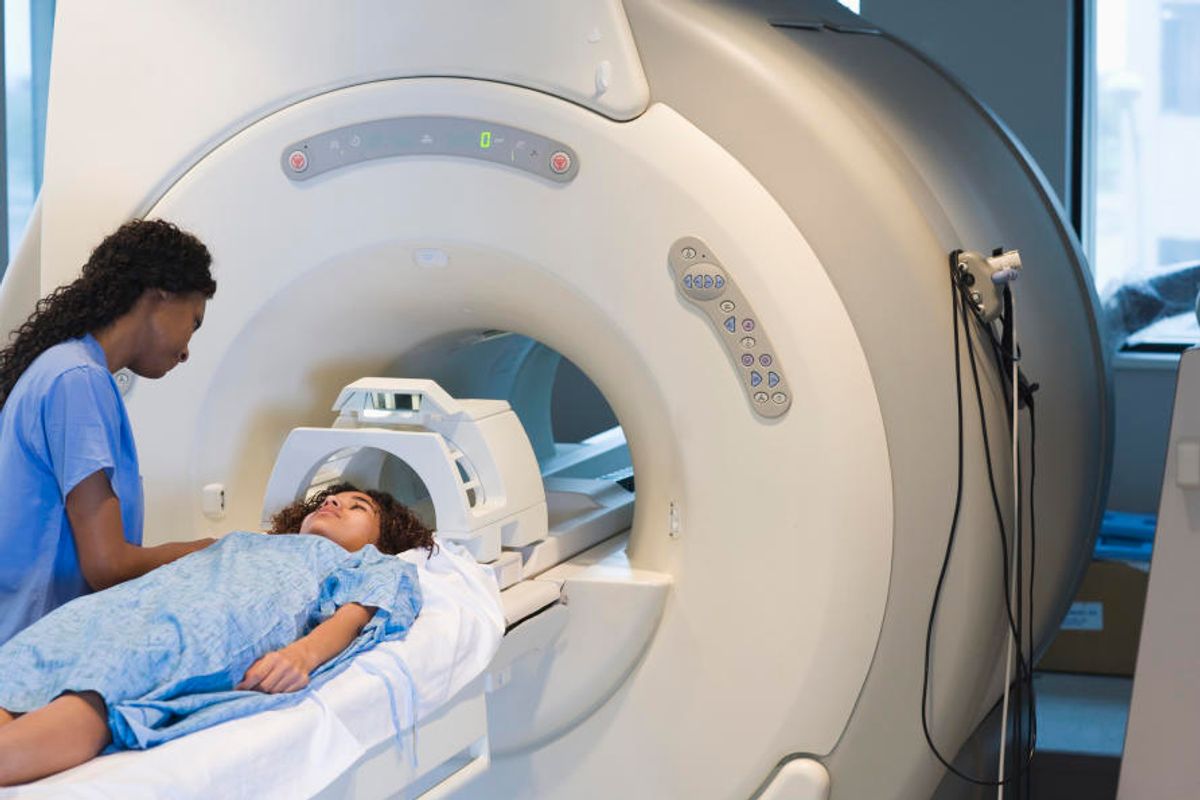
The integration of multi-omics data is a transformative trend in online pathology, offering a holistic view of a patient's health at the molecular level. Non-invasive techniques are gaining traction, allowing for the analysis of biological samples without the need for invasive procedures. These approaches contribute to a more comprehensive understanding of diseases, particularly in cancer diagnostics.
Multi-Omics: Combines genomic, transcriptomic, proteomic, and metabolomic data.
Non-Invasive Methods: Include blood tests, urine samples, and imaging techniques.
The synergy between multi-omics and non-invasive methods is paving the way for personalized medicine, enabling targeted therapies based on individual patient profiles.
The future of pathology lies in the ability to not only detect diseases earlier but also to predict patient outcomes with greater accuracy. This is made possible by the convergence of advanced computational methods and the vast array of biological data now available.
Cross-Reactive Biomarkers and Multi-Cancer Detection
The advent of cross-reactive biomarkers has ushered in a new era of multi-cancer detection, enabling a more streamlined and efficient approach to cancer screening. These biomarkers have the potential to detect multiple cancer types simultaneously, offering a significant advantage over traditional methods that typically focus on a single type of cancer.
The development of such biomarkers is supported by extensive clinical research. For instance, a multiclass, multiplex measurement system has shown promise in predicting outcomes for various cancers and other diseases. This system's versatility is evident in its application across a range of conditions, from oral to prostate cancers and even COVID-19 severity.
Furthermore, the scalability of technologies utilizing cross-reactive biomarkers means that they can be adapted to a wide array of tests, potentially improving patient management and outcomes across numerous cancer types.
Scalable Technologies for Enhanced Patient Management
The integration of scalable technologies in online pathology is pivotal for enhancing patient management. Risk scoring and clinical decision support systems are at the forefront, leveraging the power of AI to usher in a new era of clinical excellence. These systems are designed to provide early alerts, thereby improving patient outcomes and streamlining healthcare operations.
Another key aspect is the ability of these platforms to handle the increasing volumes of digital pathology data. Collaborations, such as the one between Philips and AWS, are crucial in advancing digital pathology, allowing labs to efficiently manage and analyze data. This not only improves patient care but also optimizes operations, reducing the burden on healthcare systems.
The potential of these technologies extends to multi-cancer detection and management. Platforms that utilize cross-reactive biomarkers can offer comprehensive tests for various cancers, significantly improving patient care and management. The resilience and scalability of such technologies ensure they are well-positioned to meet the growing demands of modern healthcare.
The Future of Pathology: Predictive, Personalized, and Precise

The Impact of Molecular Detection and Bioinformatics
The integration of molecular detection and bioinformatics is transforming the landscape of medical diagnostics. Molecular detection techniques, such as single cell sequencing and mutation analysis, are uncovering new insights into the cellular mechanisms of diseases. Bioinformatics tools then interpret these complex datasets, leading to more precise diagnostic outcomes.
Advancements in molecular detection and bioinformatics have led to:
Improved understanding of disease etiology
Enhanced identification of genetic mutations
More accurate predictions of disease progression
The synergy between molecular detection and bioinformatics is pivotal for the development of personalized medicine strategies. It enables clinicians to tailor treatments to the individual characteristics of a patient's disease, thereby optimizing therapeutic efficacy.
The era of Next-Generation Diagnostic Pathology (NGDP) is upon us, characterized by a holistic approach that integrates histomorphology, molecular detection, and bioinformatics. This comprehensive methodology not only improves diagnostic precision but also paves the way for predictive and personalized healthcare solutions.
Single Cell Sequencing and Tissue Microenvironment Analysis
The advent of single cell sequencing has revolutionized our understanding of the tissue microenvironment, allowing for a more nuanced view of cellular interactions and disease processes. This technique dissects complex tissues into individual cellular components, providing a high-resolution map of cellular functions and states.
By analyzing the tissue microenvironment at the single-cell level, researchers can uncover the intricate dynamics that contribute to disease progression and response to therapy.
The implications for personalized treatment are profound, as this approach enables the identification of unique cellular signatures that can inform targeted therapies. Moreover, the integration of single cell data with other omics technologies is paving the way for comprehensive disease models that can predict patient outcomes with greater accuracy.
Here are some key applications of single cell sequencing in pathology:
Unraveling the heterogeneity of tumor cells
Identifying rare cell populations
Tracking cellular lineage and evolution
Understanding the interactions between tumor cells and the immune system
Personalized Treatment Through Advanced Pathology Software
The integration of advanced pathology software is pivotal in the shift towards personalized treatment. By leveraging AI, these platforms can analyze vast amounts of data, from genetic sequencing to morphologic images, to tailor treatments to individual patients. This approach not only enhances the precision of diagnoses but also guides the selection of the most effective therapies.
Predictive modeling: Utilizes AI algorithms to forecast disease progression.
Precision diagnostics: Combines histomorphology with genetic data for accurate diagnosis.
Treatment personalization: Aligns therapy with patient-specific data.
The expected rise in precision medicine combined with a diminishing pathology workforce warrants an investment in AI to increase workflow effectiveness.
The future of pathology is predictive, personalized, and precise. As we move forward, the integration of comprehensive data analysis will become the cornerstone of effective patient management, ensuring that each patient receives the most informed care possible.
Challenges and Considerations in Online Pathology Software Adoption
Addressing Data Privacy and Security Concerns
In the realm of online pathology software, data privacy and security are paramount. As healthcare providers increasingly rely on digital platforms for diagnostic processes, the protection of sensitive patient information becomes critical. To address these concerns, software solutions must incorporate advanced security protocols.
Encryption of data in transit and at rest
Rigorous access controls and authentication mechanisms
Compliance with regulatory standards like HIPAA
Regular security audits and updates
Ensuring the confidentiality, integrity, and availability of patient data is not just a technical requirement but a fundamental patient right. Robust security measures are essential to maintain trust and safeguard against breaches.
Selecting a pathology reporting software requires careful consideration of its security features. It's crucial to verify that the software offers robust security features such as encryption, password protection, and user access controls. These features help prevent unauthorized access and protect patient data from potential cyber threats.
Ensuring Quality Control and Accuracy in AI Diagnostics
The integration of AI into pathology diagnostics has brought about a significant shift in how medical professionals approach disease detection and analysis. Ensuring the accuracy and reliability of AI diagnostics is paramount to their successful adoption in clinical settings. To achieve this, AI applications are subjected to extensive validation processes, often involving comparisons with experienced pathologists to measure both accuracy and speed.
Rigorous comparisons with pathologists
Measuring accuracy and speed
The goal is to minimize inter-observer variability and enhance the consistency of diagnostic outcomes.
However, the integration of AI also introduces challenges such as inter-observer variability and the need for comprehensive validation in diverse clinical environments. It is essential for clinicians to view AI-generated diagnoses as supplementary information, which should be critically evaluated alongside human expertise. The nuanced understanding and clinical judgment that medical professionals provide are irreplaceable, and AI models must be seen as tools that support, rather than replace, their critical role in patient care.
Navigating Legal and Ethical Aspects of Digital Pathology
The transition to digital pathology is not just a technological shift but also a legal and ethical journey. Legal considerations in digital pathology include issues of consent, legislation, and ethical guidelines. Ensuring compliance with these aspects is crucial for the successful implementation of digital workflows.
Consent must be obtained in a manner that respects patient autonomy and adheres to legal standards.
Legislation varies by region, requiring a tailored approach to digital pathology practices.
Ethical guidelines serve as a compass, guiding the responsible use of digital data.
The ethical deployment of digital pathology software demands a balance between innovation and the protection of patient rights.
As digital pathology evolves, so too must the frameworks that govern its use. It is imperative for institutions to stay informed and adapt to the changing legal landscape to safeguard both their operations and patient trust.
Embracing the Digital Shift: The Future of Pathology
In summary, the integration of online pathology software and AI technologies is revolutionizing the field of medical diagnostics. The ability to conduct remote reviews is breaking down geographical barriers, providing access to quality diagnostics in underserved areas. With the advent of AI-assisted pathology, we are witnessing a significant improvement in the accuracy of diagnoses and the efficiency of the diagnostic process. The future of pathology is digital, with predictive modeling and comprehensive analysis leading the way towards precision medicine. As we continue to digitize and analyze vast amounts of medical data, the role of pathologists will evolve, leveraging these advanced tools to deliver better patient outcomes. The journey towards next-generation diagnostic pathology is well underway, promising a smarter approach to research and treatment that is more precise, consistent, and accessible than ever before.
Frequently Asked Questions
How is AI changing the field of pathology?
AI is revolutionizing pathology by enhancing diagnostic accuracy, enabling predictive modeling for disease prognosis, and integrating with next-generation diagnostic tools. It uses digitized images to train algorithms that assist pathologists in making more precise diagnoses and prognoses.
What benefits does digital pathology offer to underserved areas?
Digital pathology expands access to pathology services by allowing remote reviews, which is particularly beneficial for patients in underserved areas. This digitization enables comprehensive analysis and improves patient care by fostering accessibility.
What are the roles of digitized pathology cases in diagnostics?
Digitized pathology cases serve multiple roles, including pre-screen analyses, real-time support during consulting reviews, and post-sign-out quality control to detect misdiagnoses or discrepancies, thereby integrating seamlessly into healthcare workflows.
What is Next-Generation Diagnostic Pathology (NGDP)?
NGDP is an emerging concept that combines histomorphology, molecular detection, bioinformatics analysis, and intelligent diagnosis for a comprehensive approach to precision diagnosis and treatment. It represents a transformative era in digital pathology.
How does online pathology software improve patient management?
Online pathology platforms integrate technologies like multi-omics and non-invasive approaches, enabling the detection of cross-reactive biomarkers for multiple cancers and offering scalable solutions that enhance patient care, management, and outcomes.
What are the challenges in adopting online pathology software?
Challenges include addressing data privacy and security concerns, ensuring quality control and accuracy in AI diagnostics, and navigating the legal and ethical aspects of digital pathology to maintain patient trust and comply with regulatory standards.
Comments
Post a Comment